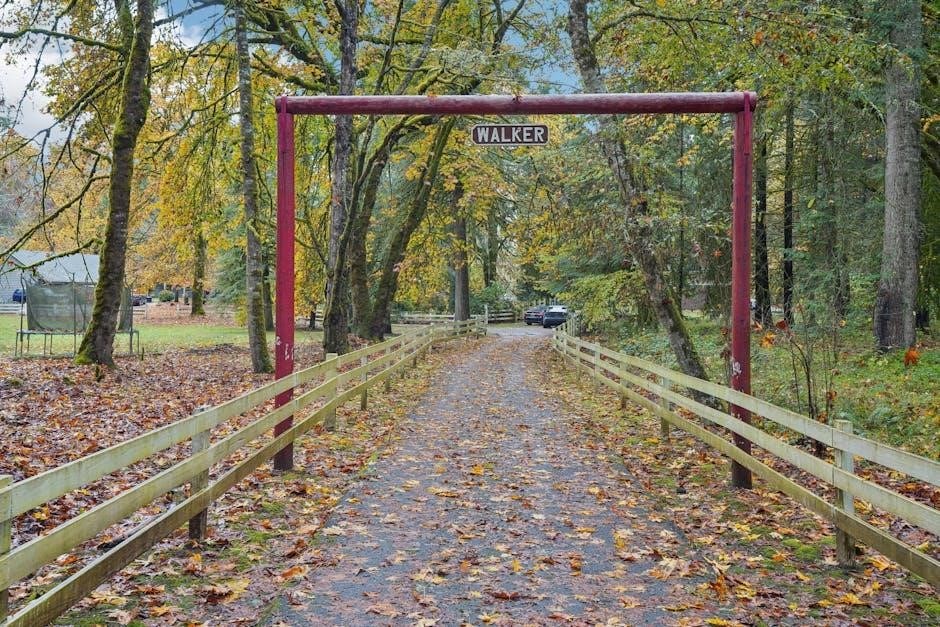
Navigating the outdoors effectively requires keen observation and interpretation of subtle signals. This guide empowers walkers to decipher environmental cues, enhancing safety and enjoyment.
Understanding Google account recovery, Chrome error resolution, and YouTube login features are vital digital skills, but distinct from wilderness awareness.
Successfully utilizing these skills will help you to understand the landscape and its secrets, and to be prepared for any situation.
What is Outdoor Clue Reading?
Outdoor clue reading is the art of interpreting signs left by nature and people to understand your surroundings. It’s about moving beyond simply seeing the landscape to actively reading it, much like deciphering a complex text. This skill isn’t about possessing specialized equipment, but rather cultivating heightened awareness and observational abilities.
It involves recognizing patterns in animal tracks, understanding how plant life indicates moisture or sunlight exposure, and noticing subtle shifts in weather patterns. Man-made clues, like the direction of footpaths or the placement of old walls, also provide valuable information. Even remnants of past human activity can reveal insights into the history and potential hazards of an area.
Unlike troubleshooting digital issues like Chrome errors or Google account access – though important skills in their own right – outdoor clue reading focuses on direct interaction with the physical world. It’s a foundational skill for anyone venturing into the wilderness, enabling informed decision-making and enhancing the overall outdoor experience. It’s about becoming a detective of the natural world.
Why is it Important for Walkers?
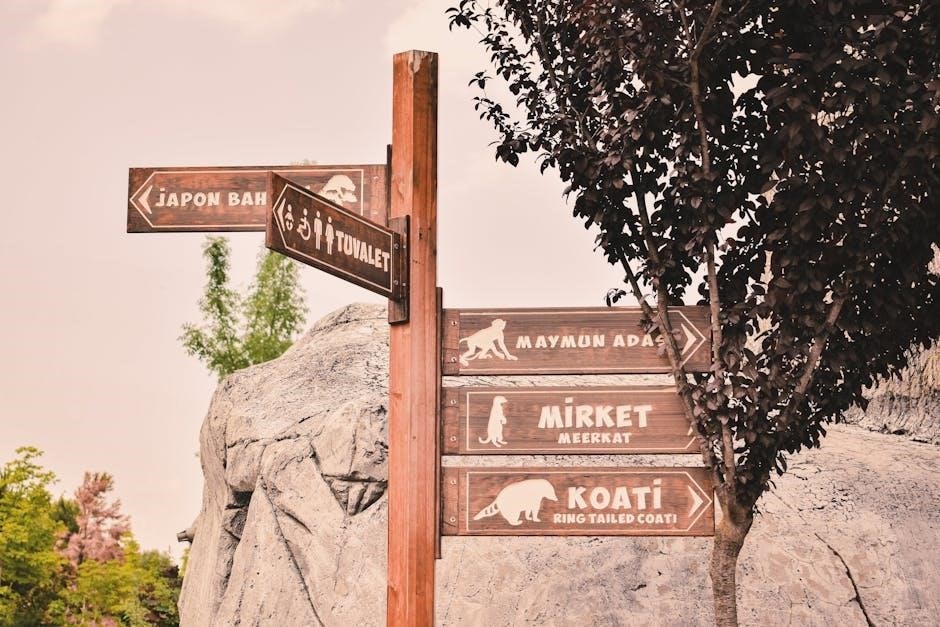
For walkers, outdoor clue reading transcends mere curiosity; it’s a vital skill for safety, navigation, and enriching the experience. Being able to interpret clues allows walkers to assess potential hazards – from unstable terrain to changing weather – and adjust their plans accordingly. It minimizes reliance on technology, like maps and compasses, though these remain valuable tools.
Understanding clues can prevent getting lost by providing alternative navigational cues when trails are unclear or obscured. Recognizing signs of water sources is crucial for survival in prolonged hikes. Furthermore, it fosters a deeper connection with the environment, transforming a simple walk into an immersive learning experience.
While digital security measures like Google account recovery are important in daily life, they offer little assistance when facing challenges in the wilderness. Outdoor clue reading empowers walkers to become self-reliant and confident explorers, capable of responding effectively to unforeseen circumstances and appreciating the subtle beauty of the natural world.

Natural Clues
The natural world constantly communicates through patterns and signs. Observing animal tracks, plant life, weather, and sun positions reveals valuable information to attentive walkers.
Animal Tracks and Identification
Decoding animal tracks is a fundamental skill for outdoor enthusiasts. Footprints reveal species, direction of travel, and even approximate size and weight. Learning to distinguish between canine (dog, fox, wolf) and feline (cat, lynx) prints is crucial; canines generally show claw marks, while felines retract them.
Track patterns also tell a story. A consistent, direct line suggests purposeful movement, while meandering tracks indicate foraging or exploration. Look for gait patterns – walking, trotting, or bounding – to understand the animal’s pace and behavior. Consider the substrate; muddy areas preserve detail better than rocky terrain.
Beyond footprints, observe scat (animal droppings) for dietary clues and territorial markings. Rub marks on trees, claw scratches, and disturbed vegetation all contribute to the narrative. Remember that track identification requires practice and regional knowledge; field guides are invaluable resources. Always maintain a respectful distance from wildlife and avoid disturbing their habitat.
Plant Life as Indicators
Plant life offers subtle yet powerful clues about the surrounding environment. The presence of certain species can indicate soil moisture levels, sunlight exposure, and even past land use. For example, lush ferns often thrive in damp, shaded areas, while sun-loving wildflowers prefer open fields.
Observe tree growth patterns; leaning trees may indicate prevailing wind direction. The density of undergrowth can suggest animal activity or the quality of the forest floor. Be cautious when identifying plants – some are poisonous! Utilize reliable field guides and avoid consuming anything unless you are absolutely certain of its edibility.
Changes in vegetation can signal elevation shifts or transitions between ecosystems. Patches of disturbed ground might reveal recent animal activity or human impact. Learning to recognize common plant indicators enhances your understanding of the landscape and its ecological processes. Remember responsible foraging practices and respect plant life.
Weather Patterns and Signs
Decoding weather patterns is crucial for safe outdoor travel. Observing cloud formations provides immediate insights; towering cumulonimbus clouds signal potential thunderstorms, while high cirrus clouds may indicate an approaching warm front. Wind direction shifts can foreshadow changes in temperature and precipitation.

Pay attention to atmospheric pressure – a falling barometer often precedes stormy weather. Changes in animal behavior can also be telling; birds flying low to the ground may indicate an approaching storm. Red skies at sunset often suggest fair weather the following day, while a pale or washed-out sunset can signal impending rain.
Understanding these natural signs allows walkers to anticipate weather changes and adjust plans accordingly. Remember that mountain weather can be unpredictable, so always be prepared for sudden shifts. Prioritize safety and carry appropriate gear for all conditions.
Sun and Shadow Tracking
The sun’s position offers a surprisingly accurate, natural compass. Observing shadow direction throughout the day provides a reliable sense of east and west. In the Northern Hemisphere, shadows shorten in the morning, reach their shortest length at noon, and lengthen again in the afternoon. This principle applies conversely in the Southern Hemisphere.
Beyond direction, shadow length indicates time of day. Knowing the sun’s approximate path helps estimate remaining daylight hours, crucial for planning routes and avoiding being caught out after dark. Utilizing this skill is especially valuable when maps or compasses are unavailable.
Remember that cloud cover affects shadow clarity. Practice observing sun and shadow patterns regularly to refine your skills and build confidence in this ancient navigation technique. It’s a fundamental skill for any outdoor enthusiast.
Man-Made Clues
Human presence leaves lasting marks on the landscape. Recognizing these alterations – paths, structures, and remnants – reveals past usage and aids navigation efforts.
Understanding Footpaths and Trails
Footpaths and trails are the most obvious man-made clues, representing established routes through the wilderness. Their width, condition, and direction provide crucial information for walkers. Well-maintained trails indicate frequent use and generally lead to destinations, while overgrown or faint paths suggest disuse or a less-traveled route.
Pay attention to trail junctions and any accompanying signage, even if damaged; Observe the type of surface – rocky, muddy, or grassy – as this can indicate the trail’s age and usage. Consider the surrounding terrain; trails often follow contours or natural features to minimize steep ascents. Recognizing these subtle cues enhances navigational awareness.
Furthermore, understanding the historical context of a trail can offer insights. Old drove roads, for example, might be wider than modern footpaths. Always respect trail etiquette and leave no trace to preserve these valuable resources for future walkers. Remember that even seemingly clear trails can be misleading, so always cross-reference with a map when possible.
Signposts and Waymarkers
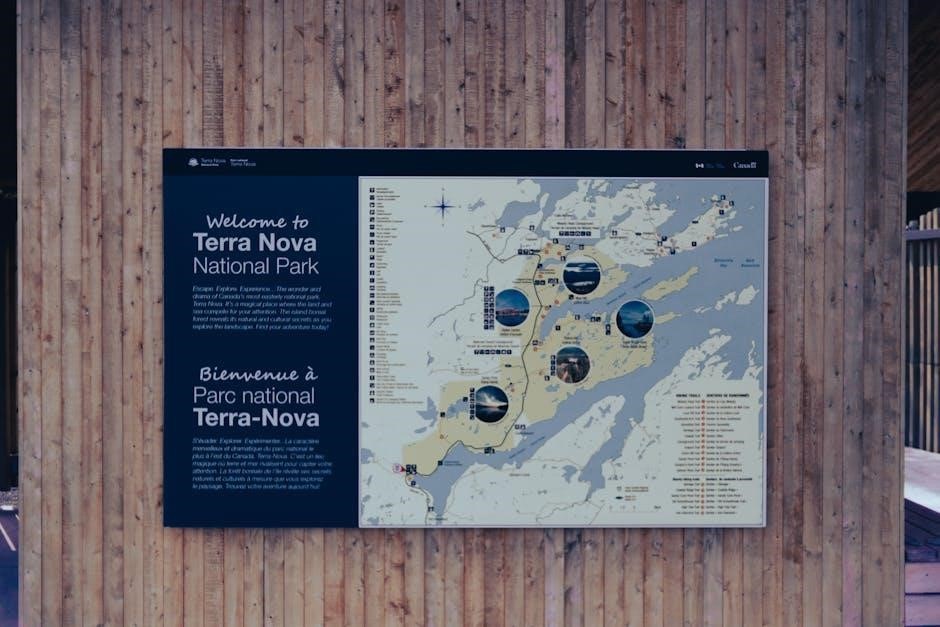
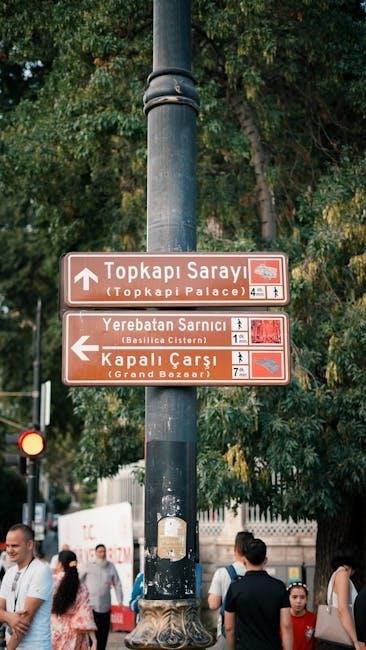
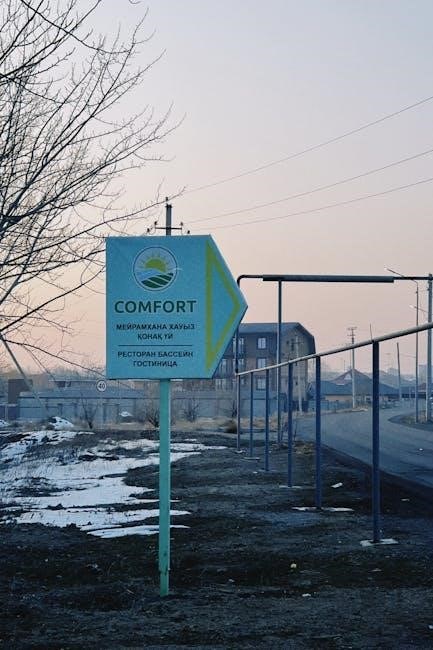
Signposts and waymarkers are deliberately placed aids to navigation, offering direct guidance along routes. However, reliance solely on these can be risky, as they may be damaged, missing, or misleading. Learn to interpret different types of markers – cairns (piles of stones), painted blazes on trees, or official signposts – and understand their local conventions;
Pay close attention to the information provided: distances, destinations, and potential hazards. Note the condition of the sign; a weathered or broken sign might indicate a less-maintained route. Cross-reference signpost directions with a map and compass to verify accuracy. Be aware that some areas use subtle waymarkers designed to blend into the landscape, requiring careful observation.
Remember that signposts are not foolproof. Always maintain situational awareness and be prepared to navigate independently if necessary. Understanding the principles of map reading and terrain association complements the information provided by signposts, ensuring a safer and more confident journey.
Fences and Walls as Boundaries
Fences and walls frequently delineate property lines and access restrictions, serving as crucial navigational clues. While seemingly straightforward, interpreting these boundaries requires nuance. A well-maintained fence generally indicates private land, suggesting you should seek permission before crossing. Conversely, a dilapidated or overgrown fence might signify a historic boundary with relaxed access rules, but caution is still advised.
Stone walls often mark older boundaries, potentially indicating public rights of way alongside them. Observe the wall’s construction; dry-stone walls are common in certain regions and may have specific local meanings. Note any gates or stiles – these are intentional access points. However, their presence doesn’t guarantee legal right of way.
Always respect boundaries and avoid trespassing. Cross only at designated points and leave gates as you find them. Combining boundary observations with map information provides a clearer understanding of land ownership and permissible routes.
Remnants of Past Human Activity
The landscape often bears subtle traces of previous human presence, offering valuable insights for walkers. These remnants can range from abandoned buildings and overgrown tracks to old field systems and quarry sites. Recognizing these clues helps reconstruct the history of the area and understand current land use.
Look for stone foundations, indicating former structures, or terracing on hillsides, suggesting past agricultural practices. Old drove roads, once used for livestock, may still be visible as faint paths. Even seemingly natural features can have human origins; consider if a straight line across the landscape might be an old boundary or track.
However, interpret these signs cautiously. Abandoned features don’t necessarily indicate public access. Respect the sites and avoid disturbing them. Combining observations with local historical knowledge enhances understanding and enriches the walking experience.

Navigation Clues
Mastering navigation involves utilizing both technological tools and natural indicators. Terrain features, contour lines, and understanding aspect are crucial for confident route-finding.
Using a Compass and Map
A compass and map remain fundamental navigation tools, even with GPS technology available. Understanding map scales, symbols, and contour lines is paramount for accurate interpretation. Before embarking on a walk, orient the map to your surroundings using the compass – aligning magnetic north on the map with magnetic north in the field.
Taking bearings to landmarks allows you to pinpoint your location and plot a course. Practice ‘back bearings’ to confirm your direction of travel. Remember to account for magnetic declination, the difference between true north and magnetic north, which varies depending on your location. Regularly check your position on the map as you walk, and adjust your course as needed. Familiarize yourself with map reading techniques before venturing into unfamiliar terrain, ensuring a safer and more enjoyable outdoor experience.
Terrain Features for Navigation
Beyond maps and compasses, the landscape itself provides invaluable navigational clues. Recognizing prominent terrain features – such as hills, valleys, ridges, and streams – allows for confident route finding. Utilize these features to confirm your position and direction of travel, cross-referencing them with your map.
Understanding how water flows can guide you downhill towards settlements or potential water sources. Observe the shape of the land; convex slopes generally indicate higher ground, while concave slopes suggest lower elevations. Pay attention to vegetation patterns, as they often correlate with terrain features and water availability. Learning to ‘read’ the land enhances your navigational skills and fosters a deeper connection with the natural environment, supplementing traditional methods.

Contour Lines and Elevation
Mastering contour lines on topographical maps is crucial for understanding elevation changes. These lines connect points of equal height, revealing the shape and steepness of the terrain. Closely spaced contour lines indicate a steep slope, while widely spaced lines suggest a gentle incline.
Identifying contour patterns allows you to visualize valleys, ridges, and peaks without physically being there. Understanding index contours – bolder lines appearing at regular intervals – helps quickly determine elevation. Combining contour line interpretation with real-world observation of terrain features enhances navigational accuracy. Remember that consistent practice is key to developing proficiency in reading these essential map elements, improving your overall outdoor awareness.
Aspect and Slope Interpretation
Aspect, the direction a slope faces, profoundly influences microclimates and vegetation. South-facing slopes in the Northern Hemisphere receive more sunlight, tending to be warmer and drier, supporting different plant life than north-facing slopes. Slope angle impacts erosion, water runoff, and accessibility. Steeper slopes are more challenging to traverse and prone to landslides.
Observing vegetation patterns can reveal aspect; sun-loving plants thrive on warmer slopes. Analyzing slope steepness helps assess potential hazards and plan routes accordingly. Combining aspect and slope interpretation with map reading provides a comprehensive understanding of the terrain. This knowledge is vital for predicting conditions, selecting appropriate campsites, and ensuring safe passage through varied landscapes.
Survival Clues
Recognizing indicators of water, edible plants (with extreme caution!), shelter materials, and fire-starting resources is crucial. Prioritize safety and preparedness in any wilderness scenario.
Finding Water Sources
Locating potable water is paramount for survival. Observe animal trails – they often lead downhill towards water sources. Lush, green vegetation in otherwise arid areas suggests subsurface moisture. Look for depressions in the landscape where rainwater might collect, and examine rocky outcrops for seeps.
Pay attention to bird flight patterns, especially in the early morning or late evening; birds frequently fly towards water. Dew collection on plants can provide a small but vital source, utilizing a cloth to absorb it. Remember that water found in the wild must be purified before consumption, using boiling, filtration, or chemical treatment to eliminate harmful bacteria and parasites. Prioritize finding a sustainable source over immediate gratification, and always conserve what you find.
Understanding the terrain and recognizing subtle clues dramatically increases your chances of locating life-sustaining water.
Identifying Edible Plants (Caution!)
Foraging for food requires extreme caution and absolute certainty. Misidentification can lead to severe illness or even death. Never consume a plant unless you are 100% confident in its identification, utilizing multiple reliable sources and cross-referencing information. Look for plants commonly known to be edible in the region, and observe whether animals are consuming them – though this isn’t foolproof.
Focus on easily identifiable plants with few poisonous look-alikes. Start with small amounts to test for allergic reactions. Avoid plants growing near polluted areas or treated with pesticides. Remember that even edible plants can cause digestive upset if eaten in large quantities. Proper plant identification guides are essential, and consider taking a foraging course from a qualified expert before relying on wild plants for sustenance.
Building Emergency Shelters
Constructing a shelter is crucial for protection from the elements, especially in unexpected situations. Prioritize finding a naturally sheltered location – a rock overhang, dense trees, or a hollow. Lean-to shelters are relatively simple, utilizing a sturdy branch as a ridgepole and leaning smaller branches against it, then covering with leaves, pine needles, or moss for insulation.
Debris huts offer better protection, creating a dome-shaped structure entirely from natural materials. Ensure adequate ventilation to prevent carbon dioxide buildup. Consider the surrounding environment; avoid building under dead trees or in areas prone to flooding. Focus on insulation and weatherproofing, maximizing protection with minimal energy expenditure. Remember, a well-built shelter can significantly increase survival chances.
Fire Starting Indicators
Identifying readily available fire-starting materials is paramount for survival. Look for dry tinder – birch bark peels easily and ignites readily, while bird nests often contain fluffy, flammable materials. Pine needles, especially those from lower branches, are also excellent. Resin or pitch on coniferous trees is highly flammable and can be used to boost a flame.
Dead, standing wood is typically drier than wood on the ground. Split larger pieces to expose dry inner wood. Observe the surrounding vegetation; a lack of decomposition suggests drier conditions, increasing the likelihood of successful ignition. Remember, practice fire-starting skills beforehand, and always adhere to local fire regulations. A reliable fire provides warmth, signals for help, and purifies water.

Advanced Clue Interpretation
Mastering micro-navigation and holistic landscape reading unlocks deeper understanding. Predicting weather shifts and recognizing subtle ecological patterns elevates outdoor skills significantly.
Micro-Navigation Techniques
Micro-navigation focuses on precise movement over short distances, relying on minute details often overlooked. It’s about building a continuous awareness of your immediate surroundings, rather than solely depending on a map and compass for broad direction. This involves memorizing small landmarks – a uniquely shaped rock, a distinctive tree, a subtle change in vegetation – and using them as ‘handrails’ to guide your progress.
Practicing ‘aiming off’ is crucial; intentionally aiming slightly to one side of your target, knowing you’ll intercept it. Pacing – accurately counting your steps – provides distance estimation, but requires calibration to your stride length on varying terrain. Utilize features like subtle slopes and stream junctions. Remember, even seemingly insignificant details can become vital navigational aids when visibility is limited or larger landmarks are obscured. Continual observation and mental mapping are key to mastering these techniques, enhancing confidence and safety on every walk.
Reading the Landscape Holistically
Holistic landscape reading transcends identifying individual clues; it’s about understanding the interconnectedness of all elements. Consider how terrain, vegetation, and water sources interact to reveal patterns. Observe how prevailing winds shape tree growth, or how animal trails follow contours seeking easiest passage. Look beyond the obvious – a seemingly random cluster of rocks might indicate a past landslide or a hidden spring.
Understanding the geological history of an area provides context. For example, recognizing glacial features can explain unusual landforms. Pay attention to subtle changes in soil color or texture, hinting at underlying geology or drainage patterns. This approach requires slowing down, observing from multiple viewpoints, and building a mental model of the entire environment. It’s about seeing the landscape as a unified system, not just a collection of isolated features, enhancing both navigation and appreciation.
Predicting Weather Changes
The natural world offers numerous indicators of impending weather shifts. Observing cloud formations is crucial – towering cumulonimbus clouds signal potential thunderstorms, while a thickening high cloud layer can precede a warm front. Changes in wind direction and speed are equally important; a veering wind often indicates improving conditions, while a backing wind suggests worsening weather.
Pay attention to animal behavior; birds flying lower to the ground or seeking shelter often precede rain. Atmospheric pressure, though requiring a barometer, provides valuable insight. A falling pressure indicates approaching low-pressure systems and potential storms. Even subtle changes in temperature and humidity can offer clues. Learning to interpret these signs allows walkers to anticipate and prepare for changing conditions, ensuring safety and comfort on the trail.
Understanding Local Ecology
A deep understanding of local ecology significantly enhances clue reading abilities. Recognizing dominant plant species reveals soil conditions and microclimates, influencing animal distribution and potential hazards. Observing insect activity can indicate seasonal changes and food availability for wildlife. The presence or absence of certain species acts as a bio-indicator, reflecting environmental health.
Knowledge of typical animal behaviors – foraging patterns, breeding seasons, and preferred habitats – aids in interpreting tracks and signs. Understanding the interconnectedness of species within an ecosystem allows walkers to anticipate potential encounters and assess risks. Familiarity with the area’s geological history and land use patterns provides context for interpreting man-made clues and remnants of past activity. This holistic approach transforms a walk into a richer, more informed experience.