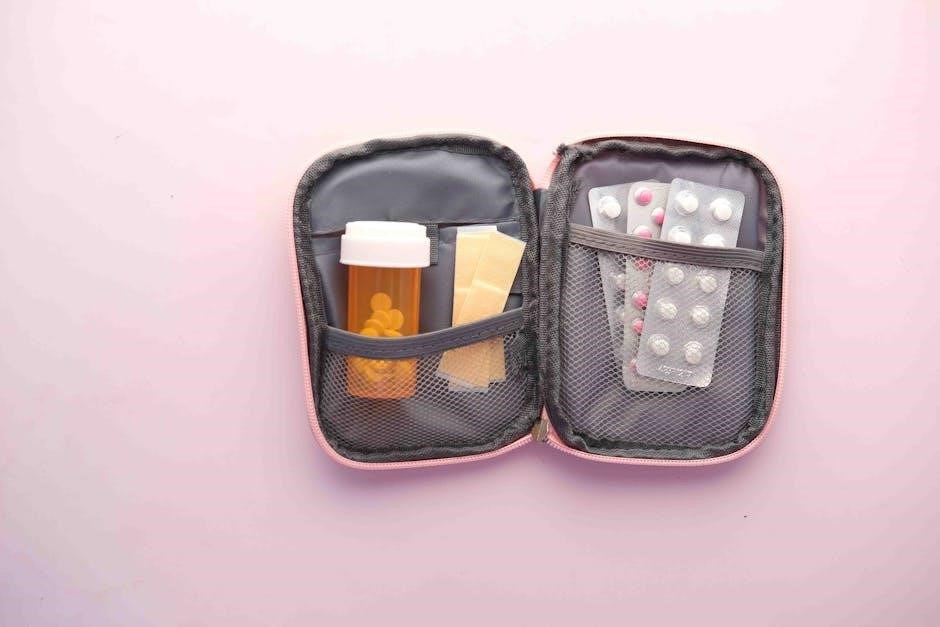
Trauma Kit List PDF: A Comprehensive Guide (Updated 04/13/2026)
This guide, updated today (04/13/2026), provides a detailed checklist for assembling a comprehensive trauma kit, ensuring preparedness for emergency medical situations.
Trauma kits are pre-assembled collections of medical supplies designed to address life-threatening injuries until professional help arrives. These kits, ranging from individual IFAKs to major trauma kits (MTK – 2021 standards), are crucial for bystanders and responders. A well-stocked kit, guided by a printable checklist, empowers immediate intervention. Understanding kit levels and contents – including hemostatic agents and airway management tools – is paramount for effective emergency care, as highlighted in recent updates (March 1, 2026).
Understanding the Levels of Trauma Kits
Trauma kits aren’t one-size-fits-all; they vary based on intended use and responder training. Individual First Aid Kits (IFAK) focus on self-aid or buddy-aid. Advanced kits expand capabilities, while Major Trauma Kits (MTK – 2021 standards) are for significant incidents. Selecting the appropriate level, informed by a detailed checklist (updated March 22, 2026), ensures adequate resources. Consider the environment and potential injury patterns when choosing a kit’s configuration;
Individual First Aid Kit (IFAK)
Designed for immediate self-help or buddy care, an IFAK is compact and portable. Essential components, detailed in the updated checklist (March 26, 2026), include tourniquets, hemostatic agents, dressings, and chest seals. These kits empower individuals to control life-threatening bleeding until professional help arrives. Proper training is crucial for effective IFAK utilization, maximizing survival chances in critical situations.
Advanced Trauma Kit
Building upon the IFAK, an Advanced Trauma Kit expands capabilities for more complex scenarios. The comprehensive checklist (dated March 22, 2026) details additions like advanced airway adjuncts, additional hemostatic agents, and potentially, limited pain management options. These kits are suited for responders encountering multiple casualties or prolonged care needs before professional medical intervention.
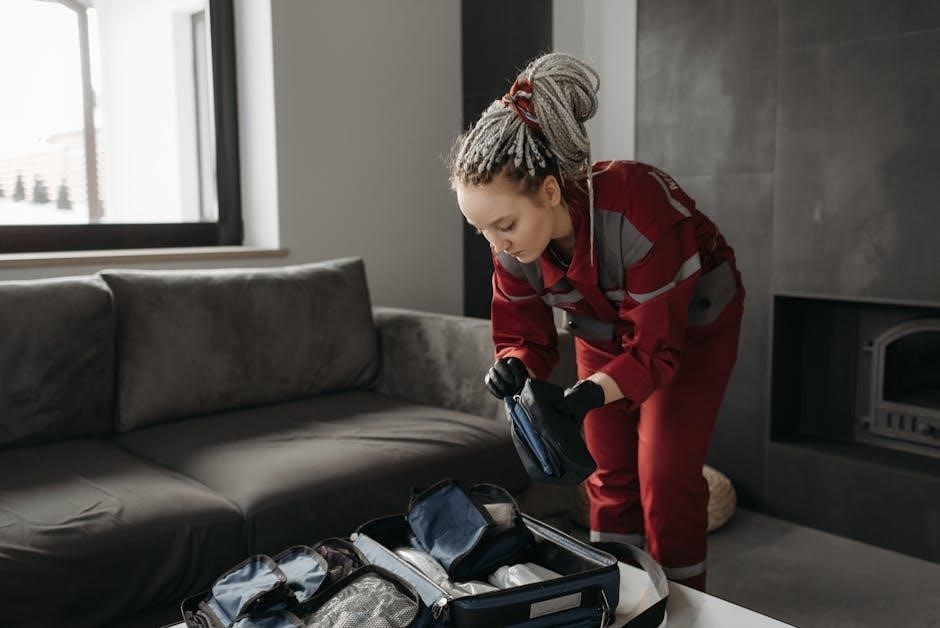
Major Trauma Kit (MTK) ⸺ 2021 Standards
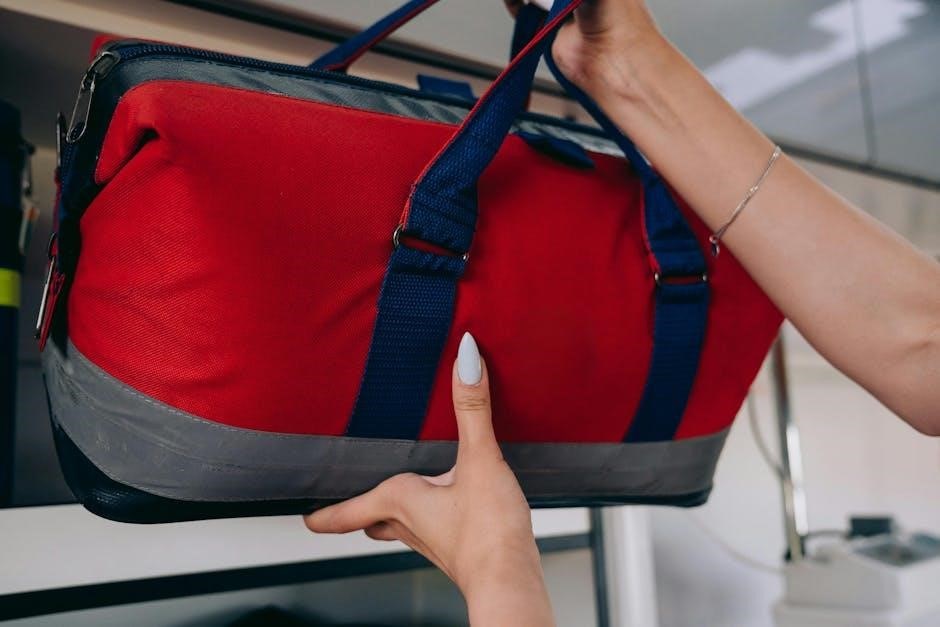
The Major Trauma Kit (MTK), adhering to 2021 standards, represents the highest level of pre-hospital trauma care. This kit, outlined in detailed documentation, comprises ten modules of medical supplies. It’s designed for extended operations involving potentially life-threatening injuries, requiring advanced interventions and prolonged stabilization until definitive care arrives.
Core Components: Essential Items
A well-equipped trauma kit centers around core components vital for immediate life-saving interventions. These essentials include items for hemorrhage control, airway management, and respiratory support. Diagnostic tools, like those for vital signs monitoring, are also crucial. Prioritizing these components ensures a rapid and effective response to critical injuries in pre-hospital settings.
Hemostatic Agents
Hemostatic agents are paramount for controlling severe bleeding, a leading cause of preventable death in trauma situations. These agents, available in various forms like powders and impregnated gauze, accelerate clot formation. Effective application requires proper training; understanding different types and their mechanisms is essential for maximizing their life-saving potential.
Wound Care Supplies
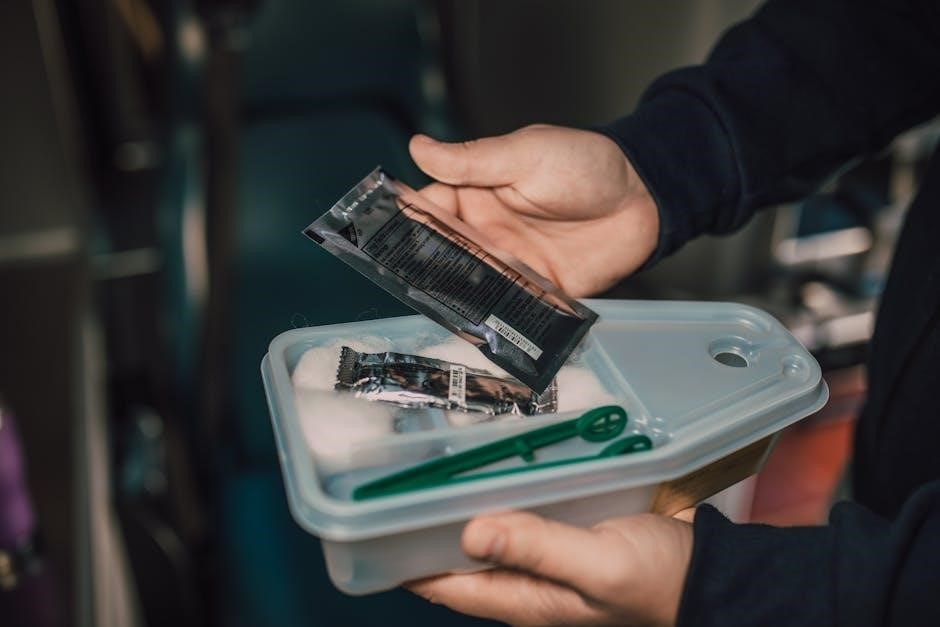
Effective wound care is critical in trauma management, preventing infection and promoting healing. A comprehensive kit must include supplies for cleaning, covering, and protecting injuries. This encompasses sterile saline solutions, antiseptic wipes, various sizes of non-adherent dressings, and secure bandages to manage diverse wound types and severities effectively.
Dressings & Bandages
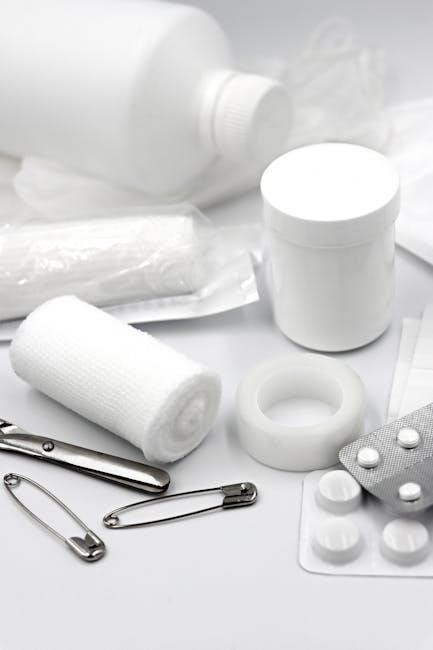
A variety of dressings and bandages are essential for wound management. Include sterile gauze pads (various sizes), non-adherent dressings for sensitive wounds, rolled gauze for securing dressings, and adhesive bandages for minor injuries. Consider including abdominal pads for significant bleeding control and elastic bandages for sprains or strains.
Tourniquets – Types and Application
Tourniquets are critical for controlling life-threatening extremity hemorrhage. Include at least one commercially manufactured tourniquet (CAT or SOFTT-W are common). Proper training is paramount; incorrect application can cause harm. Understand windlass mechanisms and documentation requirements. Regularly inspect tourniquets for functionality and expiration dates.
Airway Management
Maintaining a patent airway is crucial in trauma care. Kits should include tools for basic airway adjuncts. Nasal airways facilitate ventilation when a casualty can breathe somewhat independently. Consider the inclusion of equipment for assisted ventilation, recognizing advanced airway management requires specific training and certification beyond basic first aid.
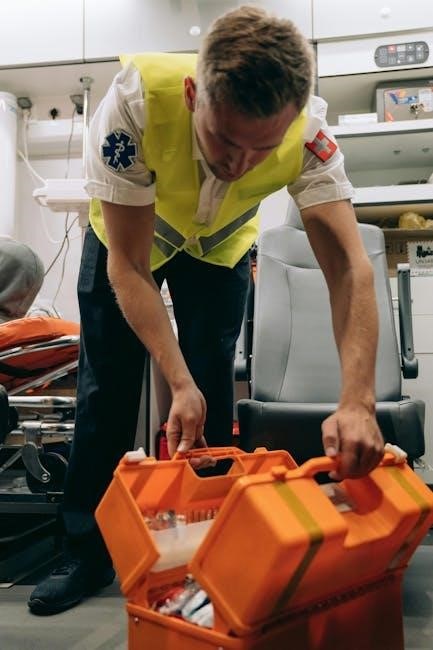
Nasal Airways
Nasal airways are essential for maintaining an open airway in unresponsive casualties. They help prevent the tongue from obstructing breathing. Kits should contain appropriately sized nasal airways – typically a range to accommodate different anatomy. Proper insertion technique is vital; training is recommended to ensure effective and safe utilization during emergency situations.
Oxygen Delivery Systems
While advanced, portable oxygen delivery systems can significantly enhance trauma care, their inclusion depends on the kit’s level and responder training. Considerations include a portable oxygen tank, regulator, and appropriate delivery devices like a non-rebreather mask. Legal and safety protocols regarding oxygen administration must be strictly followed by qualified personnel.
Circulation & Bleeding Control
Effective bleeding control is paramount in trauma care, demanding a robust selection of tools. This includes various sizes of pressure bandages for direct compression, and crucially, chest seals to address potential pneumothorax. Rapid hemorrhage control significantly improves patient outcomes, necessitating proficiency in their application.
Pressure Bandages
Pressure bandages are fundamental for controlling external bleeding, applying direct compression to the wound site. Include a variety of sizes – from smaller roller gauze to larger trauma dressings – to accommodate different injury locations and severities. Elastic bandages offer adaptable compression, while conforming bandages suit irregular shapes.
Chest Seals
Chest seals are critical for treating penetrating chest trauma, preventing air from entering the chest cavity (pneumothorax). Include at least two chest seals per kit, as injuries often occur in pairs. Opt for vented chest seals to reduce the risk of tension pneumothorax, a potentially fatal complication. Proper application training is essential.
Medications (Consider Legal & Training Requirements)
Medication inclusion demands careful consideration of legal restrictions and appropriate training. Pain management options, like acetaminophen, may be included, but prescription drugs (antibiotics) require authorization. Always verify local regulations regarding scope of practice and permissible medications. Document all medications and understand potential allergic reactions.
Pain Management
Effective pain management is crucial for trauma care, improving patient comfort and potentially reducing shock. Over-the-counter analgesics, such as acetaminophen or ibuprofen, are commonly included. However, remember that these only address mild to moderate pain. Proper assessment and consideration of patient allergies are essential before administration.
Antibiotics (Prescription Required)
Including antibiotics in a trauma kit requires a valid prescription and appropriate medical training. They are vital for combating potential infections arising from open wounds or contamination. Broad-spectrum antibiotics are generally preferred, but selection depends on local resistance patterns and potential injury types. Strict adherence to dosage guidelines is paramount.
Diagnostic Tools
Essential diagnostic tools enhance accurate patient assessment in trauma situations. A reliable method for vital signs monitoring – including blood pressure and heart rate – is crucial. A pulse oximeter quickly measures blood oxygen saturation levels, indicating respiratory efficiency. These tools aid in prioritizing treatment and tracking patient response to interventions.
Vital Signs Monitoring
Accurate and frequent vital sign assessment is paramount in trauma care. Include a manual blood pressure cuff and stethoscope for reliable readings, independent of power sources. Monitoring pulse rate, respiratory rate, and temperature provides critical insights into the patient’s physiological status. Documenting trends helps evaluate treatment effectiveness and detect deterioration.
Pulse Oximeter
A pulse oximeter is crucial for non-invasive monitoring of a patient’s oxygen saturation levels and pulse rate. This small, portable device quickly assesses respiratory function, guiding decisions regarding oxygen administration. Ensure the device is functioning correctly with test batteries and appropriate sensors for varied patient populations.
Personal Protective Equipment (PPE)
Protecting both the responder and the patient is paramount; therefore, adequate PPE is essential. This includes, at a minimum, non-latex gloves to prevent contamination, and eye protection – goggles or a face shield – to safeguard against splashes. Proper PPE minimizes infection risk during treatment and assessment.
Gloves
Non-latex gloves are a critical component of any trauma kit, protecting both the caregiver and the casualty from potential biohazard exposure. Include multiple pairs of durable, examination-grade gloves. Nitrile gloves are a preferred alternative to latex, mitigating allergic reactions. Ensure proper sizing for optimal dexterity during procedures.
Eye Protection
Protecting your eyes from bodily fluids and debris is paramount when providing trauma care. Include safety glasses or a face shield within your kit. These barriers prevent splashes and sprays from entering the eyes, reducing the risk of infection. Prioritize durable, impact-resistant options for comprehensive protection during critical interventions.
Additional Useful Items
Beyond core supplies, several items enhance trauma kit functionality. Trauma shears are crucial for quickly cutting clothing to access wounds. A tactical flashlight provides illumination for low-light scenarios. Consider including a permanent marker for labeling, and casualty care tape to secure dressings. These additions improve efficiency and patient care.
Trauma Shears
Trauma shears are indispensable for rapid clothing removal, crucial in assessing and treating injuries. Unlike scissors, they safely cut through tough materials like denim and leather without risk to the patient. Durable, angled blades provide optimal access. Include shears with a robust build for reliable performance in demanding emergency situations.
Tactical Flashlight
A high-lumen tactical flashlight is vital for illuminating injury sites, especially in low-light conditions. Choose a durable, waterproof model with multiple brightness settings and a focused beam. Consider features like a strobe function for signaling. Reliable illumination aids accurate assessment and effective treatment during emergency medical interventions.
Kit Organization & Packaging
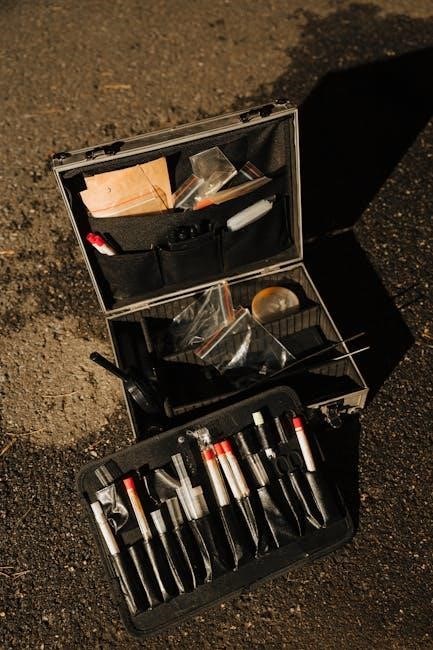
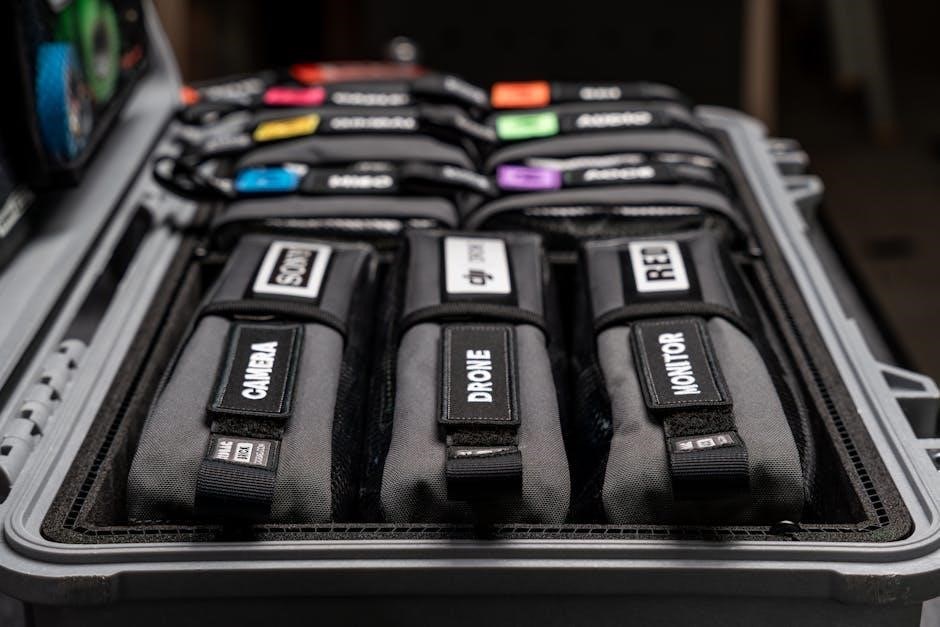
Effective kit organization is crucial for rapid access to life-saving supplies. Utilize a durable bag or case designed for medical equipment. Implement a clear system – color-coding and labeling modules (like the 2021 Major Trauma Kit’s 10 modules) streamlines retrieval. Logical arrangement minimizes search time during stressful, time-critical emergencies.
Durable Bag or Case
Selecting a robust container is paramount for trauma kit longevity and functionality. The bag or case must withstand harsh conditions and frequent use. Consider water-resistant materials and reinforced stitching. Look for designs with multiple compartments for organized storage of various medical supplies, facilitating quick access during emergencies;
Color Coding & Labeling
Implementing a clear color-coding and labeling system dramatically improves efficiency in stressful situations. Designate colors for specific categories – airway, bleeding control, wound care – for instant identification. Clearly label each item with its contents and expiration date. This ensures rapid deployment of the correct supplies, potentially saving critical time and lives.
Maintaining Your Trauma Kit
Consistent maintenance is crucial for a reliable trauma kit. Perform regular inventory checks – at least quarterly – to replace used items and ensure all components are present. Diligently manage expiration dates on medications and sterile supplies, replacing them promptly. A well-maintained kit guarantees readiness when seconds count, maximizing its effectiveness in emergencies.
Regular Inventory Checks
Establish a routine for quarterly inventory checks of your trauma kit. Systematically verify the presence of each item on your checklist. Note any missing or partially used supplies, immediately replenishing them. Document these checks to track usage patterns and anticipate restocking needs, ensuring your kit remains fully equipped for any emergency scenario.
Expiration Date Management
Crucially, monitor expiration dates of all medications and sterile supplies within your trauma kit. Regularly replace expired items – hemostatic agents, antibiotics, and dressings lose effectiveness over time. Implement a clear labeling system indicating expiration dates for easy identification. A dated log assists tracking replacements, maintaining kit efficacy and ensuring reliable performance when needed.
Training & Education
Possessing a trauma kit is insufficient; proper training is paramount. Obtain certifications in First Aid, CPR, and AED use. Consider advanced trauma care courses for in-depth knowledge of bleeding control, airway management, and shock treatment. Regular refresher courses maintain skills and confidence, ensuring effective response during critical incidents. Knowledge empowers effective kit utilization.
First Aid/CPR/AED Certification
Fundamental training in First Aid, Cardiopulmonary Resuscitation (CPR), and Automated External Defibrillator (AED) operation is crucial. These certifications provide essential skills for addressing common emergencies. Courses cover wound care, bleeding control, and reviving individuals experiencing cardiac arrest. Regular recertification maintains proficiency and ensures readiness to assist others effectively.
Advanced Trauma Care Courses
Beyond basic certifications, specialized trauma care courses significantly enhance preparedness. These programs delve into advanced techniques for managing severe injuries, including complex wound management, airway control, and hemorrhage mitigation. Consider Tactical Combat Casualty Care (TCCC) or similar courses for in-depth training applicable to high-risk scenarios, boosting confidence and skill.
Legal Considerations & Regulations
Understanding legal boundaries is crucial when carrying and utilizing a trauma kit. Good Samaritan laws offer some protection, but vary by location. Restrictions apply to certain medications, like antibiotics, requiring prescriptions. Always adhere to local regulations regarding scope of practice and ensure responsible, legal application of medical interventions.
Good Samaritan Laws
Good Samaritan laws are designed to protect individuals offering assistance in emergencies. These laws generally provide legal protection from liability if aid is given in good faith, without expecting compensation, and within the scope of training. However, coverage and specifics vary significantly by state or region, so awareness is key.
Prescription Medication Restrictions
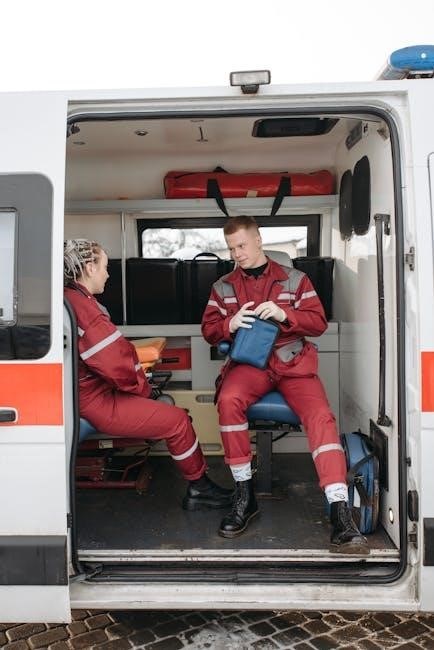
Including prescription medications in a trauma kit requires careful consideration of legal limitations. Possessing or administering medications outside of proper authorization is illegal. Only appropriately licensed medical professionals can legally administer these drugs. Always adhere to local regulations regarding controlled substances and ensure proper documentation if permitted by law.
Printable Checklist Resources (2026 Updates)
Access easy-to-follow, comprehensive checklists to ensure your trauma kit contains all essential items for emergency preparedness. These 2026-updated resources detail components for various kit levels – IFAK, Advanced, and MTK (2021 standards). Downloadable PDFs guarantee you’re equipped to handle critical situations confidently, promoting safety and effective response.