
Overview of Form 410 Rental Application Ontario
Form 410 is Ontario’s standard rental application used by landlords to gather tenant data before leasing. It captures personal details, rental history, employment, and income, and requires supporting documents. Landlords review the form to assess eligibility and comply with provincial regulations.!!!!!!!!

Accessing and Downloading the Form
To obtain the official Form 410, landlords and prospective tenants should visit the Government of Ontario’s e‑services portal or the Landlord and Tenant Board website. The form is available as a PDF that can be downloaded directly from the LTB page. Users can also access a fillable version through the Ontario e‑services portal, which allows fields to be completed online before printing. For those who prefer a hard copy, the PDF can be printed and manually filled. The document is updated annually; therefore, it is advisable to verify the version number on the top right corner of the page. Once downloaded, the file can be saved locally, emailed to the landlord, or uploaded to a secure cloud storage for future reference. The form is free of charge, and no registration is required to download it. For accessibility, the PDF includes a text‑based version that screen readers can interpret. If a user encounters a broken link, contacting the LTB’s help desk at 1‑800‑555‑1234 or via email at ltbhelp@ontario.ca can resolve the issue. Additionally, many property management software platforms offer an embedded link to the form, ensuring that applicants can complete the process directly from the landlord’s portal. This streamlined approach reduces paperwork and speeds up the application review cycle. By following these steps, applicants ensure they are using the most current, legally compliant version of Form 410, thereby avoiding delays caused by outdated or incomplete documentation.
If you are a tenant, you can also request the form from your landlord, who may provide a hard copy or a link. Some landlords use third‑party platforms like Cozy or Rentec Direct, which host the form and allow digital signatures. For landlords, downloading the form is the first step before creating a tenant screening workflow. Once the form is downloaded, it can be stored in a folder titled “Tenant Applications” for easy retrieval. The PDF’s metadata includes the creation date and version, which helps in tracking updates. It is also possible to convert the PDF to a Word document using Adobe Acrobat or other converters, but the original PDF should be kept for audit purposes. The form’s accessibility features include high‑contrast text and selectable fonts, making it compliant with the Accessibility for Ontarians with Disabilities Act (AODA). Finally, keep a backup of the downloaded file on a USB drive or cloud service. This ensures that if the original file is corrupted, you still have a copy. When you are ready to submit, you can either email the PDF to the landlord or upload it through the landlord’s online portal. The landlord will then review the application and may request additional documents. Once approved, the form becomes part of the tenant’s file in compliance with the Residential Tenancies Act.

Main Components of the Form
Main components include: Applicant Personal Info, Rental History & References, Employment & Income Verification. Each section collects data such as name, address, previous landlords, job title, salary, and credit check consent. This structure ensures landlords assess suitability. Landlords review fast.
Applicant Personal Information
Form 410 begins with a dedicated section that captures the applicant’s core identity details. Landlords request full legal name, current residential address, mailing address if different, phone number, and email address. The form also asks for date of birth and gender, which help verify age compliance with the Residential Tenancies Act. A Social Insurance Number (SIN) field is included to confirm identity and facilitate background checks, though landlords may request only a partial SIN for privacy. The applicant must sign and date the section, affirming that all information provided is accurate and that they consent to a credit and background check. This signature also serves as a legal acknowledgment of the landlord’s right to verify the data. The personal information section is critical because it establishes the tenant’s identity, contactability, and eligibility for tenancy. Landlords rely on this data to cross‑check references, verify employment, and ensure compliance with provincial tenancy regulations. Proper completion of this section reduces the risk of future disputes and streamlines the application process. Applicants should review the form carefully, ensuring all fields are completed accurately, as incomplete or incorrect information can delay processing or result in denial. Landlords typically require a signed copy of the completed form along with the supporting documents listed earlier. By providing thorough, truthful data, tenants demonstrate responsibility and increase their chances of securing a lease. This thoroughness reflects responsible!??.
Rental History & References
Form 410 requires applicants to provide a comprehensive rental history. Applicants must list each previous residence, including the full address, landlord or property manager name, contact phone number, and the exact dates of occupancy. The form also asks for the reason for leaving each property, such as lease expiration, relocation, or landlord request. This information helps landlords evaluate punctuality, maintenance habits, and overall tenant reliability. Landlords often cross‑reference this data with credit reports and background checks to verify the applicant’s claims.
In addition to the rental history, the form mandates two written references. One reference should come from a former landlord or property manager, and the other from a personal or professional contact, such as a supervisor, colleague, or business partner. Each reference must include the referee’s full name, relationship to the applicant, contact details, and a brief statement about the applicant’s character, tenancy conduct, and reliability. Referees are required to sign and date the reference, confirming the authenticity of the information provided. Landlords value references that are objective, verifiable, and recent, as they provide insight into the applicant’s behavior in a residential setting.
Applicants are advised to choose referees who can speak to both the applicant’s financial responsibility and their respect for property rules. Landlords typically review the rental history and references alongside employment and income verification to form a holistic view of the applicant’s suitability for tenancy. Accurate, honest rental history and reliable references demonstrate responsibility and increase the likelihood of approval. The structured format of this section ensures that all relevant past tenancy information is captured, allowing landlords to make informed decisions swiftly and in compliance with Ontario’s tenancy laws. Thoroughness in this section builds trust between prospective tenants and landlords, ultimately fostering a stable and positive rental relationship for all parties involved and reliable and trustworthy.
Employment & Income Verification
Applicants must provide detailed employment information to demonstrate financial stability. The form requests the current employer’s name, address, phone number, and the applicant’s position title. Length of employment is recorded in months or years, and the applicant should specify whether the job is full‑time, part‑time, or seasonal. Gross monthly income is required, along with any additional sources such as overtime, bonuses, or side‑business earnings. This data helps landlords assess whether the applicant can comfortably meet rent obligations. To substantiate the declared income, landlords typically require recent pay stubs covering the last three months, a signed employment verification letter, or a letter of reference from the employer confirming the applicant’s salary and employment status. Self‑employed applicants must provide the most recent two years of personal tax returns, a copy of the current tax assessment, and recent bank statements that show consistent income deposits. Landlords may also request a credit report authorization to evaluate the applicant’s credit history. The applicant signs a consent form allowing the landlord to pull the credit score and review any past delinquencies or legal judgments. This step ensures that the tenant’s financial behavior aligns with the landlord’s risk tolerance and the province’s tenancy standards. Finally, the applicant signs a declaration confirming all information is true and accurate. This signed statement binds the applicant to the data used for tenancy decisions

Required Supporting Documents
Applicants must submit proof of income, copies of government‑issued ID, credit authorization . Recent pay slips, tax returns, or bank statements validate earnings. Identity copies (driver’s licence, passport) confirm the applicant’s status. The credit form permits landlords to assess financial reliability.
Proof of Income
Landlords use the proof of income section to verify that applicants can afford the rent. Acceptable documents include recent pay stubs, an employer letter confirming salary, or a signed statement of income for self‑employed also and, applicants. For salaried employees, a recent T4 slip or a bank statement showing deposits also and acceptable. If the applicant is a student, a letter from the institution confirming enrollment may be required. In cases where the applicant has multiple income sources, each source must be documented separately. The documents should be dated within the last 90 days to ensure currency. Landlords may request additional evidence if the income appears insufficient relative to the rent or if the applicant has a history of late payments. All documents should be clear, legible, and, if possible, scanned in PDF format to maintain a digital record. The landlord will keep the documents in compliance with the Personal Information Protection and Electronic Documents Act (PIPEDA) and will not disclose them without consent. Applicants should be prepared to provide copies of the documents in person or via secure online portals that the landlord provides. Failure to provide adequate proof of income may result in the application being denied or delayed. It is recommended that applicants keep a copy of every document submitted for their own records. Include a recent bank statement showing regular deposits. Organizing documents in a single PDF file speeds up the landlord’s review and reduces delays. Thank you.Regards

Identification Copies
Landlords require a clear, government‑issued ID to confirm the applicant’s identity and legal status. The Form 410 accepts copies of a driver’s licence, passport, or permanent resident card. The copy must be legible, showing the applicant’s full name, date of birth, and photograph. For non‑citizens, a valid work or study permit may also be accepted, provided it is current and includes the applicant’s personal details. The copy should be a scanned PDF or a high‑resolution photograph taken in good lighting, with no shadows obscuring the text. Landlords typically store these copies in a secure, password‑protected folder in compliance with PIPEDA. Applicants should avoid watermarks or background images that could compromise readability. If the applicant’s ID has expired, a renewal copy should be submitted, or a notarised statement explaining the delay. In cases where the applicant has multiple IDs, only the most recent and valid document is required, unless the landlord specifically requests additional proof. The landlord must obtain the applicant’s written consent before storing or sharing the ID data. Applicants should keep a backup of all submitted copies for their records. Failure to provide a valid ID copy may result in the application being rejected or delayed. The landlord may also request a notarised copy if the ID is not in English, to ensure accurate verification. All documents should be submitted within the 90‑day window prior to the application date to maintain relevance. This process helps landlords mitigate fraud and ensures compliance with provincial tenancy laws. Thank you for your cooperation.Regards
Credit Report Authorization
Before a landlord can pull a credit report, the applicant must sign a written authorization that complies with the Personal Information Protection and Electronic Documents Act (PIPEDA) and the Ontario Human Rights Code. The authorization should state the purpose of the credit check, the specific information to be accessed, and the duration the data will be retained. It must also give the applicant the right to review the report, correct errors, and request deletion of inaccurate information. The landlord may use a third‑party credit bureau such as Equifax or TransUnion, and the applicant’s consent must cover the transfer of data to that bureau. The authorization form should include the applicant’s full legal name, date of birth, current address, and a unique identifier such as a Social Insurance Number or driver’s licence number. The landlord must keep a copy of the signed authorization on file for at least 90 days, and it must be stored securely in accordance with privacy regulations. If the applicant refuses to provide consent, the landlord is legally prohibited from accessing the credit report and must rely on alternative screening methods. The landlord should also inform the applicant of any fees associated with the credit check and ensure that the applicant is aware that the credit report will be used solely for tenancy purposes. Finally, the landlord should provide the applicant with a copy of the credit report upon request, allowing the applicant to verify the accuracy of the information before a tenancy decision is made. This process protects both parties and upholds the integrity of the rental application system.

Privacy and Legal Implications
Form 410 collects sensitive data; landlords must secure consent, store info per PIPEDA, and limit use to tenancy decisions. Unauthorized disclosure breaches privacy laws, risking fines and tenant rights violations. Tenants may also request copy and dispute errors.
Ontario Privacy Laws & Data Protection
Ontario’s privacy framework is anchored by the federal Personal Information Protection and Electronic Documents Act (PIPEDA), which governs the collection, use, and disclosure of personal data in commercial activities. For landlords, this means that every piece of information captured on Form 410—such as name, address, employment history, and credit references—must be handled with explicit consent and stored securely. The act requires that data be limited to what is necessary for the stated purpose, that tenants are informed of how their data will be used, and that they have the right to access, correct, or delete their information. Failure to comply can result in investigations by the Office of the Privacy Commissioner of Canada and potential fines up to $100,000 per incident. Compliance is mandatory for all landlords and tenants!!
In addition to PIPEDA, Ontario’s Personal Health Information Protection Act (PHIPA) extends protections to health-related data, which landlords may encounter if a tenant discloses medical conditions or disability accommodations. PHIPA mandates that such information be kept confidential, only shared with authorized parties, and protected against unauthorized access. Landlords must also adhere to the Residential Tenancies Act, which prohibits discriminatory practices and requires that privacy be respected throughout the tenancy process. Together, these laws create a robust environment where tenant data is safeguarded, and any breach can trigger legal action, reputational damage, and financial penalties. All records must be protected.
Landlord’s Duty to Provide Tenant Rights
Under Ontario’s Residential Tenancies Act, landlords must uphold a suite of tenant rights when processing Form 410. They are required to disclose the purpose of collecting information, provide a written summary of the application, and allow tenants to review and correct any inaccuracies. Landlords must also give tenants a copy of the lease agreement and any related documents within a reasonable time frame. If a tenant is denied, the landlord must furnish a clear, written reason that does not violate privacy or discrimination statutes. Tenants have the right to request a copy of their application data, to challenge decisions, and to seek mediation through the Landlord and Tenant Board if disputes arise. Landlords are expected to maintain confidentiality, treat all applicants equally, and ensure that no discriminatory criteria—based on race, gender, disability, or other protected characteristics—are used in the decision‑making process. These obligations protect tenants from arbitrary rejection and promote transparency throughout the leasing cycle.
Landlords must also provide tenants with a clear outline of the application process, including timelines for decision‑making and the criteria used. They should offer tenants the opportunity to submit additional documentation or explanations if requested; When a decision is made, landlords are required to provide a written notice that explains the outcome and outlines any next steps. Tenants can appeal or request mediation if they believe the decision was unjust.
Submission and Follow‑Up

After filling Form 410, submit it to the landlord, attaching all required documents. Landlords usually confirm receipt within 24–48 hours, providing a written acknowledgment. They then review the application against lease criteria and the Residential Tenancies Act. If more information is needed, the landlord will request it, and the applicant should respond promptly to avoid delays.

Within 10 business days, the landlord must notify the applicant of the decision. An approval includes an acceptance letter, the signed lease, and move‑in instructions. A denial requires a written explanation that complies with privacy and anti‑discrimination laws. Applicants may request copies of the decision and supporting evidence. If the applicant believes the decision is unfair, they can file a complaint with the Landlord and Tenant Board or seek mediation. Throughout, landlords must keep the application confidential and secure, in accordance with Ontario privacy legislation.
Applicants should keep copies of submitted documents. If the landlord does not respond within statutory period, a polite reminder is appropriate. Landlords are obligated to reply within 10 business days, though many expedite the process. A follow‑up demonstrates professionalism and may influence the outcome.
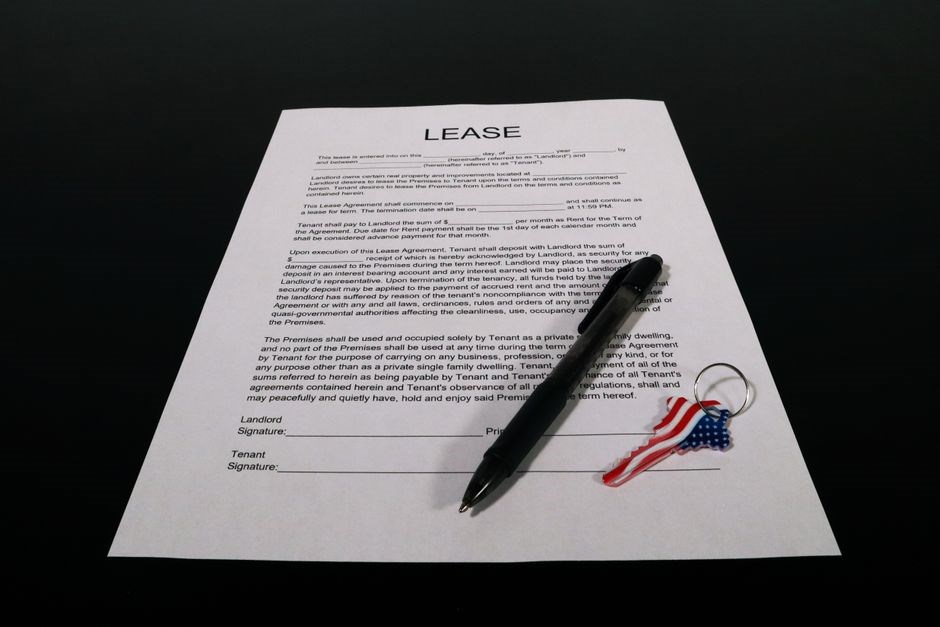
Once the lease is signed, the landlord must provide the tenant with a copy of the lease and contact details. The tenant should review the lease carefully, verify that terms match the application, and confirm the move‑in date. Any discrepancies should be addressed before signing. After moving in, the tenant must pay rent on time and follow the lease. Landlords may conduct a move‑in inspection to document the property’s condition, which can be referenced in disputes over security deposits.