Delonghi Oven Instruction Manual: A Comprehensive Guide
Welcome! This guide provides essential information for operating your DeLonghi oven, covering models from July 2025 and beyond. Explore manuals at delonghi.com.
Congratulations on selecting a DeLonghi oven! This marks the beginning of a culinary journey designed for both simplicity and exceptional results. Your new appliance, detailed in this instruction manual, is engineered to deliver consistent performance and reliability. Before your first use, please take the time to thoroughly read this guide.
This manual serves as your comprehensive resource, guiding you through every aspect of operation – from initial setup and understanding the control panel, to mastering various cooking modes and ensuring proper maintenance. DeLonghi offers a diverse range of oven models, including built-in and freestanding options like the DE60COMBI, DEL4413COMBI, DEFL605E, and DEFP907S.
Whether you’re a seasoned chef or a novice cook, this manual will empower you to unlock the full potential of your DeLonghi oven. Remember to consult the official DeLonghi website (delonghi.com) for the most up-to-date information and downloadable manuals in PDF format.
Understanding Oven Models
DeLonghi offers a diverse portfolio of ovens, catering to various kitchen setups and cooking preferences. The range includes both built-in and freestanding models, each designed with specific features and capacities. Popular choices encompass the DE60COMBI, a versatile combination oven, and the DEL4413COMBI, known for its advanced functionalities.
Freestanding options, such as the DEFL605E and DEFL605G, provide flexibility in kitchen placement, while the DEFP907S offers a premium cooking experience. Understanding the distinctions between these models is crucial for optimal usage. Each oven’s capabilities are detailed in its specific instruction manual, available for download at delonghi.com.
Before operating your DeLonghi oven, identify your exact model number. This ensures you’re referencing the correct manual and accessing tailored guidance. Different models may have variations in control panel layouts, cooking modes, and safety features. Referencing the correct documentation guarantees a safe and efficient cooking experience.
Safety Precautions
Important Safety Instructions: Prioritize safety when using your DeLonghi oven. Always ensure proper installation and grounding to prevent electrical hazards. Never operate the oven with a damaged cord or plug, and avoid using extension cords.
Exercise caution when the oven is in use, as surfaces become extremely hot. Utilize oven mitts or pot holders when handling hot cookware. Keep flammable materials away from the oven’s vicinity. Supervise children closely when the oven is operating.
Do not immerse the oven in water or any other liquids. Regularly inspect the oven door seal for damage, and do not use the oven if the seal is compromised. In the event of a malfunction, disconnect the power supply and contact qualified service personnel. Refer to your specific model’s manual for detailed safety guidelines.
Initial Setup and Installation
Preparing Your DeLonghi Oven: Before first use, carefully unpack your DeLonghi oven and remove all packaging materials, both inside and outside the appliance. Inspect for any visible damage incurred during shipping. Ensure the oven is placed on a level, stable surface, allowing adequate ventilation around all sides.
Connect the oven to a properly grounded electrical outlet, matching the voltage requirements specified on the appliance’s rating label. Avoid using adapters or extension cords. Perform an initial burn-off cycle to eliminate any manufacturing residues. This typically involves heating the oven to a high temperature for a specified duration, as detailed in your model’s manual.
Familiarize yourself with the oven’s controls and features before commencing cooking. Refer to the ‘Control Panel Overview’ section for detailed instructions. Proper installation and initial setup are crucial for optimal performance and longevity.
Control Panel Overview
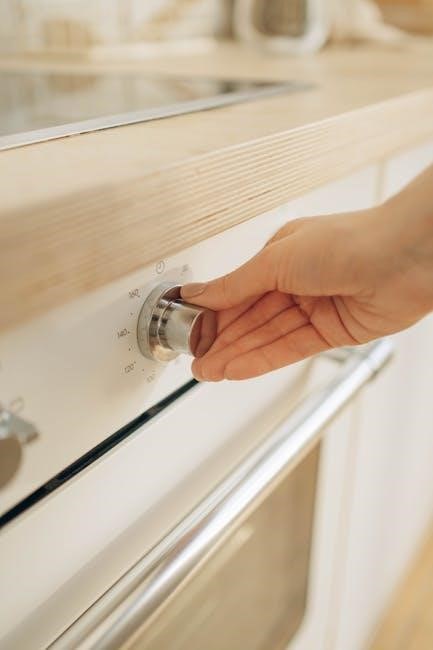
Navigating Your Oven’s Interface: The DeLonghi oven control panel is designed for intuitive operation. It typically features a Function Selection Dial, allowing you to choose from various cooking modes like static, fan-assisted, grilling, and convection. Adjacent to this, you’ll find Temperature Control Settings, often a dial or digital buttons, to precisely set the desired cooking temperature.
Essential Timer and Clock Functions enable you to program cooking times and set a delayed start. Some models offer advanced features like automatic shut-off and minute timers. The panel may also display error codes, providing diagnostic information in case of malfunctions. Refer to the ‘Troubleshooting’ section for code explanations.
Understanding each control is key to maximizing your oven’s capabilities. Detailed explanations of each function are provided in subsequent sections of this manual.
Function Selection Dial
Choosing Your Cooking Mode: The Function Selection Dial is the primary control for selecting the desired cooking method. Rotating the dial allows you to cycle through available options, each optimized for specific dishes. Common settings include ‘Static Cooking’ for traditional baking, ‘Fan Assisted’ for even heat distribution, and ‘Grilling’ for browning and searing.
‘Convection Cooking’ utilizes a fan to circulate hot air, reducing cooking times and enhancing results. Some DeLonghi ovens feature specialized functions like ‘Defrost’ or ‘Keep Warm’. The dial’s position directly corresponds to the selected mode, often indicated by clear symbols or text on the control panel.
Ensure the dial is firmly set to your chosen function before initiating the cooking process. Refer to the ‘Cooking Modes Explained’ section for detailed descriptions of each setting and recommended uses.
Temperature Control Settings
Precise Heat Management: DeLonghi ovens offer precise temperature control, crucial for achieving optimal cooking results. Typically, temperature is adjusted using a dial or electronic buttons, allowing selection from a wide range, often spanning from 50°C to 250°C (122°F to 482°F).
The control panel displays the set temperature, enabling accurate monitoring. For specific recipes, adhere to the recommended temperature guidelines. Lower temperatures are ideal for gentle cooking and simmering, while higher temperatures are suited for roasting, grilling, and baking.
Some models feature pre-set temperature settings for common dishes. Always allow the oven to preheat to the desired temperature before placing food inside, ensuring even cooking. Adjustments can be made during the cooking process as needed.
Timer and Clock Functions
Effortless Cooking Schedules: DeLonghi ovens incorporate versatile timer and clock functions for convenient cooking management. The clock allows setting the current time, essential for utilizing the timer features. The primary timer enables setting a cooking duration, automatically switching off the oven upon completion.
Many models offer a delayed start function, allowing you to program the oven to begin cooking at a future time. This is perfect for meal preparation in advance. The manual position allows for manual control, switching the oven off as required, especially for extended cooking times exceeding two hours.
Ensure accurate timer settings for optimal results. Refer to the control panel display for remaining cooking time. These functions enhance convenience and ensure perfectly cooked meals.
Cooking Modes Explained
Versatile Cooking Options: DeLonghi ovens boast a range of cooking modes designed to cater to diverse culinary needs. Static Cooking provides traditional, even heat distribution, ideal for baking and roasting. Fan Assisted Cooking utilizes a fan to circulate heat, ensuring faster and more uniform cooking – perfect for multiple dishes simultaneously.
The Grilling Function delivers intense top heat, excellent for browning and searing. Convection Cooking combines fan assistance with heating elements, creating a dry heat ideal for crispy results and reducing cooking times.
Understanding each mode allows you to optimize your cooking process. Experiment with different settings to achieve desired results. Refer to your specific model’s manual for detailed mode descriptions and recommended temperatures.
Static Cooking Mode
Traditional Baking Experience: Static cooking represents the conventional oven experience, utilizing heat radiating from the top and bottom elements. This mode is exceptionally suited for traditional baking recipes – cakes, pastries, and breads benefit from the gentle, even heat distribution. It’s also ideal for roasting meats, allowing for a beautifully browned exterior and tender interior.
Unlike fan-assisted modes, static cooking doesn’t circulate air, preserving moisture within the food. For optimal results, position dishes centrally within the oven. Consider using multiple oven racks for simultaneous cooking, but be mindful of potential variations in temperature between levels.
This mode offers precise control, making it a favorite among experienced bakers. Remember to adjust cooking times slightly compared to fan-assisted methods.
Fan Assisted Cooking Mode
Efficient and Versatile: Fan assisted cooking utilizes a heating element combined with a fan to circulate hot air evenly throughout the oven cavity. This results in faster preheating times and reduced cooking durations compared to static cooking. It’s a remarkably versatile mode, suitable for a wide range of dishes – from roasting vegetables and meats to baking cookies and casseroles.
The circulating air ensures consistent temperatures across all oven racks, making it perfect for cooking multiple items simultaneously. Food tends to cook more quickly and evenly, often requiring a slight reduction in temperature or cooking time compared to static methods.
This mode is particularly effective for achieving crispy results and minimizing the need for turning food during cooking. It’s a go-to option for everyday cooking convenience.
Grilling Function
Intense Top Heat: The grilling function in your DeLonghi oven utilizes a high-intensity heating element located at the top of the oven cavity. This provides direct, radiant heat, ideal for browning, searing, and quickly cooking foods. It’s perfect for achieving that classic grilled flavor without the need for an outdoor grill.
When grilling, it’s recommended to use an oven-safe grill pan or rack to allow fat and juices to drip away from the food, promoting healthier cooking and preventing smoke. Adjust the oven rack position to control the distance between the food and the heating element – closer for faster cooking and more intense browning, further away for slower, gentler grilling.
Keep a close watch on food while grilling, as it can cook rapidly. This function excels at preparing steaks, chops, sausages, and even toasting bread.
Convection Cooking Mode
Even Heat Distribution: DeLonghi’s convection cooking mode employs a fan to circulate hot air evenly throughout the oven cavity. This ensures consistent temperatures on all racks, eliminating hot spots and promoting uniform cooking and browning. It’s particularly beneficial when baking multiple trays of cookies or roasting large cuts of meat.
Convection cooking generally requires a slightly lower temperature and shorter cooking time compared to static cooking. A reduction of approximately 20°F (10°C) is often recommended. This mode is excellent for achieving crispy crusts on pies, golden-brown roasted vegetables, and perfectly cooked poultry.
For optimal results, avoid overcrowding the oven when using convection, allowing sufficient space for air to circulate freely. Experiment with adjustments to temperature and time to find what works best for your recipes.
Using the Oven – Step-by-Step
Initial Preparation: Begin by ensuring your DeLonghi oven is properly installed and the initial setup is complete. Place your dish or baking sheet on the appropriate rack. Preheating is crucial; select your desired cooking mode using the function dial and set the temperature. Allow sufficient time for the oven to reach the set temperature – the indicator light will typically signal readiness.
Cooking Process: Carefully insert your food into the preheated oven. Set the timer using the timer functions, adjusting for the recipe’s recommended cooking time. Monitor the cooking progress through the oven door window.
Manual Control: For longer cooking times or manual adjustments, utilize the manual position, switching the oven off as needed. Always exercise caution when handling hot dishes and use oven mitts.
Cleaning and Maintenance
Regular Cleaning: Maintaining your DeLonghi oven ensures optimal performance and longevity. After each use, allow the oven to cool completely before cleaning. Wipe down spills immediately to prevent stubborn residue buildup.
Interior Cleaning: For the oven interior, avoid abrasive cleaners. A mild detergent and warm water solution are generally sufficient. For baked-on food, consider using a specialized oven cleaner, following the product’s instructions carefully. Ensure thorough rinsing after cleaning.
Exterior Surfaces: Clean exterior surfaces with a damp cloth and mild soap. Avoid harsh chemicals that could damage the finish. Replacing the Bulb: If the oven light fails, replace the bulb with a compatible type, following safety precautions.
Cleaning the Oven Interior
Gentle Approach: Begin by removing all racks and accessories from the oven interior. Wipe down loose debris with a soft cloth. For routine cleaning, a solution of warm water and mild dish soap works effectively. Avoid abrasive cleaners or scouring pads, as these can damage the enamel coating.
Tackling Baked-On Residue: For stubborn, baked-on food, create a paste of baking soda and water. Apply this paste to the affected areas and let it sit for several hours, or overnight for particularly difficult stains. Afterwards, wipe clean with a damp cloth.
Specialized Cleaners: If necessary, use a commercially available oven cleaner, strictly adhering to the manufacturer’s instructions and safety guidelines. Ensure the oven is well-ventilated during and after use. Rinse thoroughly to remove any cleaner residue before using the oven again.
Cleaning the Exterior Surfaces
Stainless Steel Care: For DeLonghi ovens with stainless steel exteriors, use a dedicated stainless steel cleaner to maintain their shine and prevent fingerprints. Apply the cleaner with a soft cloth, following the grain of the steel. Avoid abrasive cleaners, which can scratch the surface.
Painted Surfaces: Wipe painted exterior surfaces with a damp cloth and mild dish soap. Avoid harsh chemicals or solvents, as these can discolor or damage the paint. Rinse with a clean, damp cloth and dry thoroughly.
Control Panel Cleaning: Gently wipe the control panel with a soft, slightly damp cloth. Avoid excessive moisture, which could damage the electronic components. Do not spray liquids directly onto the control panel.
Regular Maintenance: Regularly wiping down the exterior surfaces will prevent the buildup of grease and grime, keeping your DeLonghi oven looking its best.
Replacing the Oven Light Bulb
Safety First: Before replacing the bulb, always disconnect the oven from the power supply to prevent electric shock. Allow the oven to cool completely. Locate the oven light bulb cover, typically found at the rear of the oven cavity.
Accessing the Bulb: Remove the cover – it may twist or unscrew. Carefully remove the old bulb. Note the bulb type (often a standard oven bulb) for replacement. Ensure the new bulb has the same wattage and voltage as the original.
Installation: Insert the new bulb firmly into the socket. Replace the bulb cover, securing it properly. Reconnect the oven to the power supply.
Testing: Turn on the oven light to verify the new bulb is functioning correctly. If it doesn’t illuminate, double-check the bulb is seated correctly and the power is on.
Troubleshooting Common Issues
Oven Not Heating: First, verify the oven is properly connected to a functioning power outlet. Check the control panel settings – ensure a cooking mode and temperature are selected. If the issue persists, examine the oven’s thermal fuse; a blown fuse prevents heating. Consult a qualified technician for fuse replacement.
Error Codes: DeLonghi ovens may display error codes indicating specific problems. Refer to your oven’s manual for a comprehensive list of codes and their meanings. Common codes relate to temperature sensor failures or control board malfunctions.
Uneven Cooking: Ensure the oven racks are positioned correctly and food isn’t overcrowded. Rotate food during cooking for even browning. For consistent results, preheat the oven thoroughly before use.
If problems continue, contact DeLonghi customer support or a qualified appliance repair technician for assistance. Do not attempt repairs yourself if you are not experienced.
Oven Not Heating
Initial Checks: If your DeLonghi oven isn’t heating, first confirm it’s securely plugged into a working electrical outlet. Verify the circuit breaker hasn’t tripped. Double-check the control panel; a cooking function and temperature must be selected for operation. Ensure the oven door is fully closed, as a safety interlock prevents heating when open.
Thermal Fuse: A common cause is a blown thermal fuse, a safety device preventing overheating. This requires professional replacement – do not attempt DIY repair. A faulty temperature sensor can also prevent heating; diagnosis requires a multimeter.
Control Board Issues: In some cases, a malfunctioning control board may be the culprit. This is a more complex repair best left to qualified technicians. Refer to your oven’s manual for specific troubleshooting steps and error codes.
Contact Support: If these steps don’t resolve the issue, contact DeLonghi customer support for further assistance.
Error Codes and Their Meanings
Decoding Alerts: DeLonghi ovens utilize error codes to signal specific issues. While codes vary by model, common ones include “E1” indicating a temperature sensor fault, requiring professional inspection. “E2” often signifies a heating element malfunction, potentially needing replacement; “E3” may point to a control board communication error, demanding technician intervention.
Manual Reference: Always consult your oven’s specific instruction manual for a complete list of error codes and their corresponding solutions. The manual provides detailed explanations tailored to your model. Ignoring error codes can lead to further damage or unsafe operation.
Resetting the Oven: Some minor errors can be resolved by disconnecting the oven from the power supply for several minutes, then reconnecting. This performs a soft reset. However, persistent error codes necessitate professional diagnosis and repair.
Professional Help: For complex or recurring error codes, contact DeLonghi’s customer support or a qualified appliance repair technician.
DeLonghi Oven Manuals – Where to Find Them
Accessing Support: DeLonghi provides convenient access to oven manuals through multiple channels. The primary source is the official DeLonghi website, delonghi.com, where you can search for your specific model and download the corresponding PDF manual. This online resource offers the most up-to-date versions.
Model Identification: Before searching, locate your oven’s model number, typically found on a label inside the door frame or on the rear of the appliance. Accurate model identification ensures you download the correct manual.
Direct Downloads & PDFs: DeLonghi offers manuals for a wide range of products, including electric ovens (like the EO34 Series) and range cookers. These are generally available as downloadable PDF files, allowing for easy viewing and printing.
Customer Support: If you encounter difficulties finding your manual online, contact DeLonghi’s customer support for assistance. They can provide direct links or email you a copy.
Warranty Information

DeLonghi Oven Warranty: Your new DeLonghi oven is covered by a manufacturer’s warranty, protecting against defects in materials and workmanship. The standard warranty period typically begins on the date of original purchase, as evidenced by your sales receipt or proof of delivery.
Coverage Details: The warranty generally covers parts and labor for repairs necessary to correct manufacturing defects. However, it does not cover damage resulting from misuse, accidents, improper installation, or normal wear and tear.
Registration & Claim Process: While registration isn’t always mandatory, it’s highly recommended to facilitate warranty claims. To initiate a claim, contact DeLonghi’s customer support with your model number, purchase date, and a detailed description of the issue.
Extended Warranties: Consider exploring extended warranty options available at the point of purchase for added peace of mind beyond the standard coverage period.